
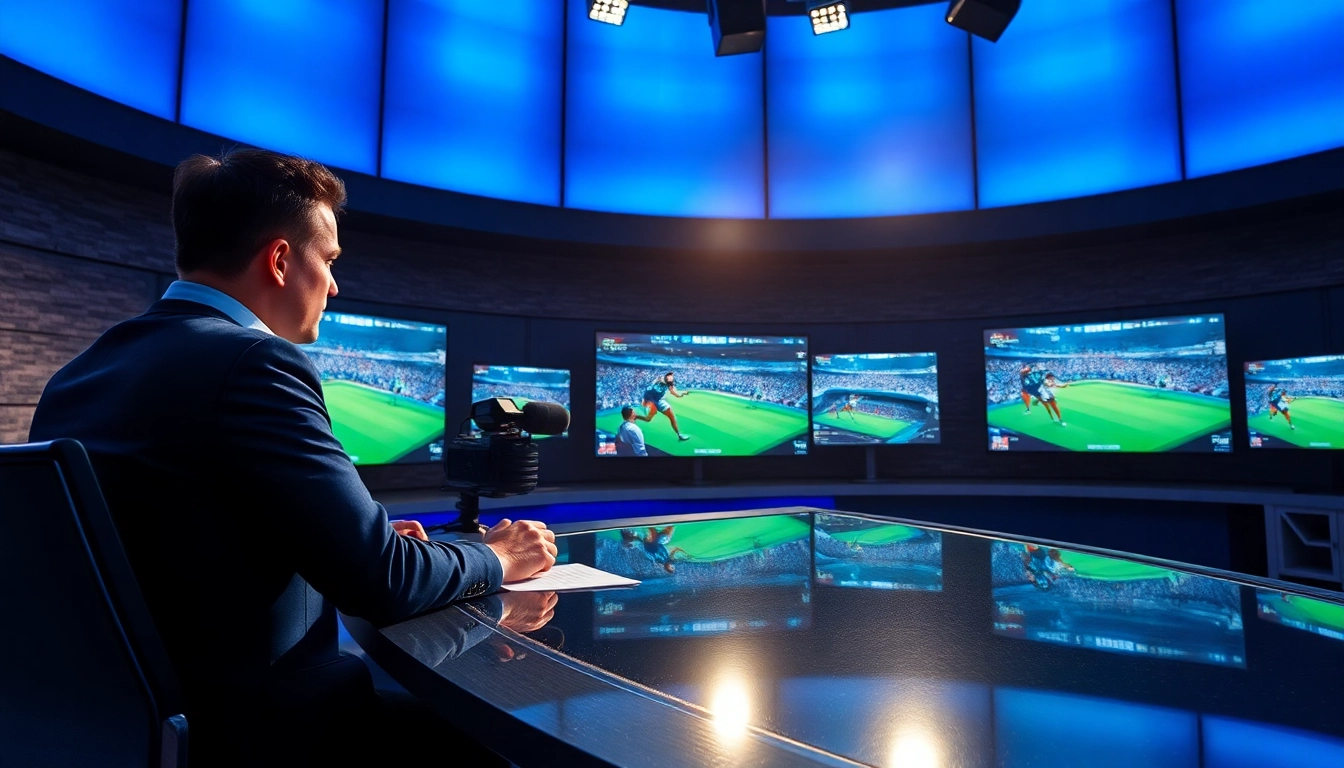
Understanding the Basics of Sports Broadcasting
Definition and History of Sports Broadcasting
Sports Broadcasting refers to the distribution of sports content via different mediums such as television, radio, and online platforms. This domain has evolved significantly since its inception in the early 20th century, starting with amateur radio broadcasts of baseball games and advancing to the sophisticated digital streams we experience today. With the advent of television in the 1950s, sports became a staple in American culture, expanding viewership and generating larger audiences. This explosive growth laid the groundwork for today’s highly lucrative broadcasting contracts and sponsorship deals that define the industry.
Key Components of Sports Broadcasting
A successful sports broadcasting operation consists of several key components. First, there’s content creation, which includes selecting the sports events to be covered, hiring commentators, and producing graphics and other visual elements. Second, the technology infrastructure plays a vital role in transmitting broadcasts, ensuring quality and reach. Third, legal aspects, such as securing broadcasting rights and adhering to regulations, are crucial for compliance. Finally, audience engagement through interactive features such as live polls, social media integration, and enhanced viewing experiences is increasingly prevalent.
Evolution from Traditional to Digital Broadcasting
As viewer habits shift, so too has sports broadcasting. Traditional broadcasting once dominated the landscape, relying heavily on television networks and radio. However, with the rise of the internet and mobile technology, on-demand services and live streaming have become the norm. Platforms offering Sports Broadcasting now allow fans to watch events at their convenience, dramatically changing the landscape for content delivery and audience interaction. This evolution has necessitated a new approach to production and distribution practices.
The Role of Technology in Sports Broadcasting
Innovations Shaping Sports Broadcasting
Technology has become integral to sports broadcasting, enhancing not only the way content is produced but also how it is consumed. Innovations such as 4K and HDR imaging enrich viewer experiences by providing sharper, more lifelike visuals. Drones for aerial shots and virtual reality for immersive fan experiences are also gaining popularity, pushing the envelope of traditional viewing methods. Furthermore, augmented reality applications during live broadcasts can bring real-time statistics to life, allowing fans to engage more deeply with the content.
Impact of Streaming Services on Sports Broadcasting
Streaming services have radically transformed sports broadcasting by providing viewers with unprecedented choices. Gone are the days of having to subscribe to multiple cable packages to catch various sporting events. With dedicated platforms now available, fans can subscribe to services offering all sports or a specific league at a fraction of the cost. This shift has led traditional broadcasters to adapt their strategies, often entering partnerships with streaming services or developing their own platforms to remain competitive.
AI and Analytics in Sports Broadcasting
Artificial intelligence (AI) and analytics are reshaping broadcasting as well, providing deeper insights into player performance and audience engagement. AI-driven production tools can automate camera angle selections based on gameplay dynamics, while analytics can provide valuable information about viewer preferences. This data is essential for tailoring content and advertising, ensuring broadcasters can optimize their offerings and revenue streams effectively.
Legal and Ethical Considerations in Sports Broadcasting
Rights and Regulations in Sports Broadcasting
Understanding the legal landscape surrounding sports broadcasting is critical. Broadcast rights are typically auctioned off, with networks bidding for exclusive access to events. These contracts can involve substantial sums of money, highlighting the importance of negotiation and legal compliance. Additionally, broadcasting regulations differ globally, necessitating an understanding of regional laws for international broadcasts.
The Impact of Copyright in Sports Broadcasting
Copyright is a vital concern in sports broadcasting, protecting content created by broadcasters and the rights holders of the sporting events. Unauthorized broadcasts can lead to severe financial repercussions and legal battles. Broadcasters must therefore ensure that they acquire all necessary rights and permissions, navigating a complex web of legalities to maintain compliance.
Ethical Reporting in Sports Broadcasting
Ethics in reporting is paramount in sports broadcasting. From minimizing bias in commentary to ensuring sensitive situations are handled with care, broadcasters have a responsibility to maintain integrity. Transparency in sponsorships and advertising also safeguards the trust between broadcasters and audiences. Failing to adhere to these principles can result in damaged reputations and loss of viewership.
Trends Reshaping the Future of Sports Broadcasting
Interactive Sports Broadcasting Experiences
The future of sports broadcasting prominently features interactivity, allowing fans to engage with content in real-time. Interactive features such as fantasy sports integration, instant replays controlled by the viewer, and choose-your-own-commentary options provide a unique level of personalization. This trend not only enhances the viewing experience but also fosters community interaction among fans.
Fan Engagement through Social Media
Social media has dramatically altered the relationship between sports broadcasters and fans. Platforms like Twitter, Instagram, and TikTok enable broadcasters to share real-time updates, behind-the-scenes content, and engage directly with audiences. This engagement has moved beyond merely broadcasting events to creating a two-way conversation that includes viewer opinions and experiences.
The Rise of Esports in Sports Broadcasting
Esports is rapidly emerging as a legitimate category within sports broadcasting, appealing to a younger demographic that is increasingly moving away from traditional sports. Major networks have begun integrating esports broadcasts into their schedules, recognizing the potential of this genre to attract new audiences. Eleven, analytics, and strategic partnerships are vital to success in this niche arena.
Measuring Success in Sports Broadcasting
Key Performance Indicators in Sports Broadcasting
To assess success in sports broadcasting, it’s essential to look at key performance indicators (KPIs). Metrics such as viewer ratings, subscriber growth, and average watch time provide valuable insight into audience behavior. Additionally, analyzing social media engagement and fan interactions can inform content strategies and advertising effectiveness.
Analyzing Audience Metrics for Sports Broadcasting
Understanding audience metrics is crucial in creating effective broadcasting strategies. Tools that track viewer demographics, preferences, and engagement patterns allow broadcasters to tailor their offerings. Data-driven decisions can optimize programming schedules, content delivery, and advertising strategies—ensuring that broadcasts resonate with target audiences.
Case Studies on Successful Sports Broadcasting Campaigns
Examining case studies of successful sports broadcasting campaigns can provide essential insights. One notable example is the usage of social media strategies during major sporting events, which significantly boosted viewer engagement and brand visibility. Analysis of these campaigns can guide best practices and inspire innovation across the industry.
Frequently Asked Questions
What is the future of Sports Broadcasting?
The future of Sports Broadcasting is largely driven by technology, interactivity, and evolving viewer preferences, notably leading towards on-demand and personalized experiences.
How has technology affected Sports Broadcasting?
Technology has transformed Sports Broadcasting with innovations such as streaming services, AI analytics, and enhanced graphics, providing deeper insights and engaging experiences for viewers.
What are the legal issues in Sports Broadcasting?
Legal issues in Sports Broadcasting include licensing rights, copyright regulations, and compliance with regional laws, demanding thorough understanding and adherence.
How are audience metrics used in Sports Broadcasting?
Audience metrics help in understanding viewer preferences and behavior, allowing broadcasters to tailor content, optimize advertising strategies, and enhance overall engagement.
What are some ethical considerations in Sports Broadcasting?
Ethical considerations include maintaining unbiased reporting, transparency in sponsorships, and handling sensitive topics with care to sustain audience trust and credibility.