Understanding Personal Protection Services
Definition and Overview
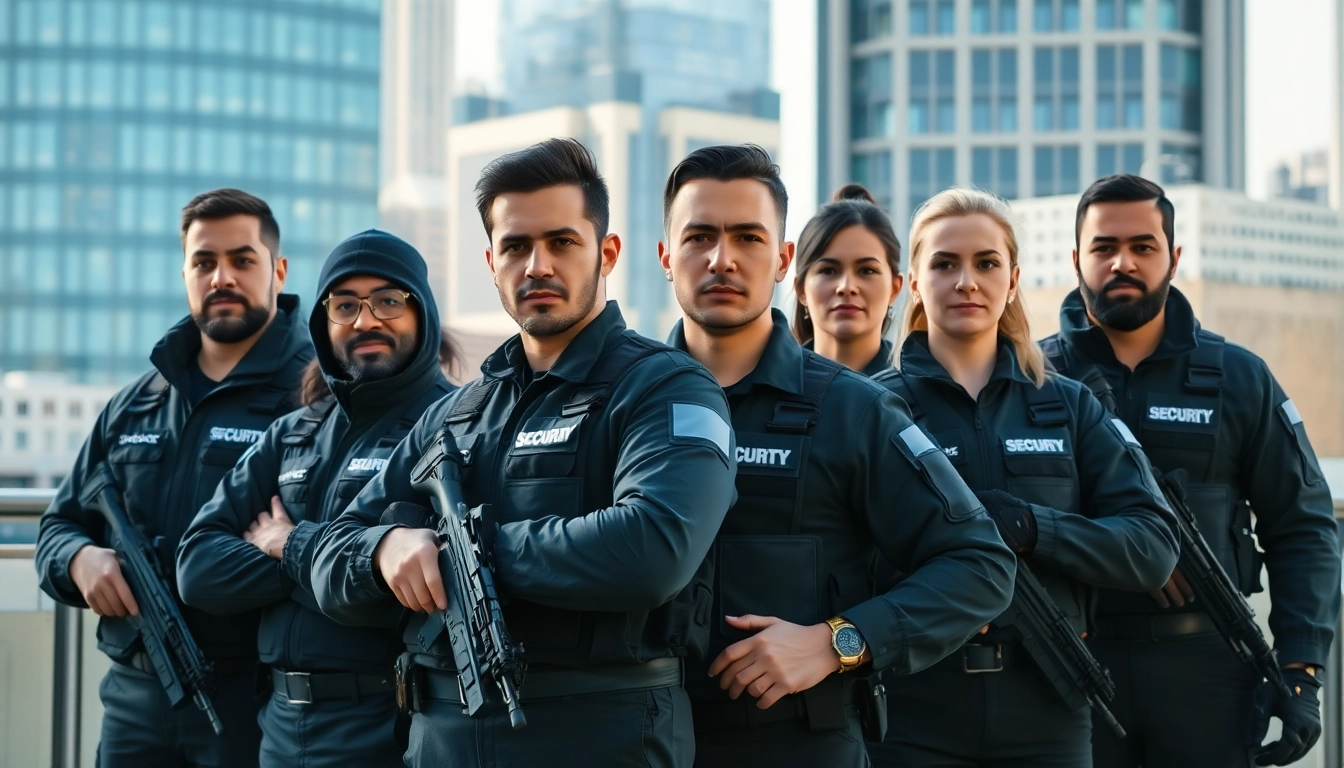
Personal protection services refer to specialized security solutions that focus on safeguarding individuals from potential threats, dangers, or harm. These services encompass a wide range of protective measures, including physical security, surveillance, risk assessments, and emergency response strategies. As our world becomes increasingly complex, the demand for comprehensive security solutions has intensified. Personal protection services play a crucial role in helping individuals maintain their personal safety and that of their families.
Types of Personal Protection Services
Personal protection services can be broadly categorized into several types, each catering to unique security needs:
- Close Protection (Bodyguard Services): This involves deploying professional security personnel who accompany high-profile individuals, ensuring their safety against unlawful acts or unwanted attention.
- Executive Protection: Targeted towards leading business figures, executives, or celebrities, this service combines both personal security and logistical planning to safeguard clients during travel and public engagements.
- Residential Security: This includes various measures to protect homes, like alarm systems, surveillance cameras, and on-site guards.
- Event Security: Professional services designed to manage security at events such as conferences, concerts, and public gatherings, ensuring safety and controlling crowds.
- Travel Security: This service assists individuals traveling to risky areas, providing assessments and tailored security plans to mitigate potential threats.
Importance in Today’s World
In an era marked by rising crime rates, geopolitical tensions, and public safety concerns, the importance of personal protection services cannot be overstated. Individuals are more vulnerable to risks than ever before, making these services not just a luxury but a necessity for many. Whether it’s securing an individual, a family, or a corporate leader, personal protection services offer peace of mind, enabling clients to focus on their personal and professional pursuits without constantly worrying about their safety.
Choosing the Right Personal Protection Services
Assessing Your Needs
To choose the right personal protection services, the first step involves a thorough assessment of your specific security needs. Consider the following:
- Personal Lifestyle: Evaluate your daily routines, travel habits, and environments where you spend most of your time.
- Threat Assessment: Understand potential risks you may face, such as stalkers, workplace violence, or address current security breaches.
- Budget: Determine how much you can afford to invest in protection services. This will guide the range and scope of services you can consider.
Evaluating Service Providers
Once you’ve identified your security needs, it’s essential to evaluate potential service providers. Key aspects to consider include:
- Experience: Look for companies that have a proven track record in personal protection. Understanding their history will give you confidence in their abilities.
- Training and Certification: Ensure that their personnel are well-trained, certified in security protocols, and capable of effective emergency response.
- References and Reviews: Seek out testimonials from previous clients. A reputable provider should be more than willing to share references and positive feedback.
- Customization: Choose a provider that offers tailored solutions to fit your unique needs rather than one-size-fits-all packages.
Key Features to Look For
When evaluating personal protection service providers, consider the following key features that can greatly enhance your security experience:
- 24/7 Availability: Security needs can arise at any time. Choosing a service that operates round the clock ensures you’re protected when it matters most.
- Technology Integration: Modern protection services should utilize up-to-date technology, including GPS tracking, surveillance systems, and communication networks.
- Network of Support: A reliable provider should have operational ties with local law enforcement and emergency services, providing an added layer of safety.
- Risk Management Planning: Ensure the service includes a strategy for assessing potential risks and creating a response protocol.
Best Practices for Personal Safety
Situational Awareness Techniques
Enhancing personal safety begins with developing situational awareness. This involves being cognizant of your surroundings and understanding potential risks. Practical techniques include:
- Regular Scanning: Frequently check your environment for suspicious activities or individuals.
- Identifying Exits: Know the quickest exits in any environment you enter, particularly in public spaces.
- Trust Your Instincts: If something feels off, it often is—don’t hesitate to distance yourself from potentially dangerous situations.
Emergency Preparedness Planning
Creating an emergency preparedness plan is vital for readiness in case of significant threats. Essential steps include:
- Developing an Action Plan: Outline specific actions for various threats like natural disasters, home invasions, or personal attacks.
- Establishing Communication Lines: Ensure that all family members or close contacts know how to communicate during an emergency.
- Regular Drills: Practice your emergency plans through regular drills to ensure everyone knows how to respond effectively.
Effective Communication with Security Teams
Communication is fundamental in ensuring your personal safety and that of others. Key practices include:
- Clear Instructions: When communicating your needs or concerns to security personnel, be precise about your expectations.
- Feedback Loop: Establish a system to provide feedback to your security team to help them improve their service.
- Regular Updates: Keep your security team updated about changes in your routine, potential threats, or concerns that might affect your safety.
The Role of Technology in Personal Protection Services
Innovative Tools and Equipment
Technology plays a pivotal role in enhancing personal protection services. Here are some key tools and equipment commonly used:
- CCTV Systems: Surveillance cameras act as a deterrent and provide a constant visual record of activities around a person.
- Personal Alarms: Wearable devices that emit loud alarms when activated, attracting attention in emergencies.
- Tracking Devices: GPS units can help monitor an individual’s movements, providing real-time location tracking.
Integrating Technology for Enhanced Security
The integration of technology into personal protection services leads to a more robust security framework:
- Smart Home Security: Advanced automation systems control alarms, cameras, and locks, making security management more efficient.
- Mobile Applications: Security apps allow individuals to alert security teams or emergency services quickly without manual inconsistency.
- Data Analytics: Utilizing analytics can help assess security vulnerabilities and streamline responses based on threat patterns.
Future Trends and Developments
Innovation continually shapes personal protection services. Some anticipated trends include:
- Artificial Intelligence: AI-driven systems can analyze data patterns, predicting potential threats more effectively.
- Biometric Security: The use of biometric identifiers, like fingerprints or facial recognition, enhances personal security significantly.
- Augmented Reality: AR can offer real-time data overlays during training simulations for personal protection professionals.
Frequently Asked Questions about Personal Protection Services
What training do personal protection services professionals undergo?
Professionals typically undergo rigorous training in areas such as threat assessment, emergency response, defensive tactics, and first aid. Certifications from recognized security training programs enhance their expertise in protecting individuals.
How can I assess my personal security needs?
Assess your personal security needs by evaluating your lifestyle, awareness of potential threats, and considering your budget. Consulting with a security professional can also provide tailored recommendations and insights.
What are the costs associated with personal protection services?
The costs vary significantly based on the level of service, location, and duration of engagement. Basic services may start at a few hundred dollars, while more comprehensive plans can go into thousands monthly, depending on complexity and personnel required.
How do I choose a reliable personal protection service?
To choose a reliable service, look for experience, training certifications, and positive client references. It’s important to evaluate their ability to customize solutions for your security needs effectively.
What legal considerations should I be aware of?
Legal considerations include understanding the scope of services, the use of force policies, privacy laws concerning surveillance, and ensuring compliance with local regulations. Consulting with legal experts in security is advisable.