Mastering Hela Lanka: 5 Essential Insights for Cultural Explorers in 2025
Understanding the Cultural Significance of Hela Lanka
Hela Lanka captures the essence of Sri Lankan identity, embodying a rich tapestry of traditions, history, and cultural nuances. The term “Hela” itself is deeply rooted in the folklore, language, and cultural symbolism of Sri Lanka, making it a powerful emblem for the people. To delve into what Hela Lanka means, one must appreciate its historical significance, the myriad of festivals celebrated, and the overall melting pot of traditions that characterize this vibrant island.
Historical Background and Evolution
Hela Lanka has evolved significantly over centuries, with its name deriving from “Hela,” which is associated with the indigenous Sinhala people. This rich history can be traced back to ancient civilizations that thrived on the island. Key archaeological sites, like the ancient city of Anuradhapura, reveal a blend of indigenous and foreign influences that contributed to the unique cultural landscape. Notably, Hela Lanka also encapsulates the struggles and triumphs of the Sinhala population throughout colonial times, showcasing resilience and adaptability in the face of foreign dominations.
The Role of Festivals in Sri Lankan Society
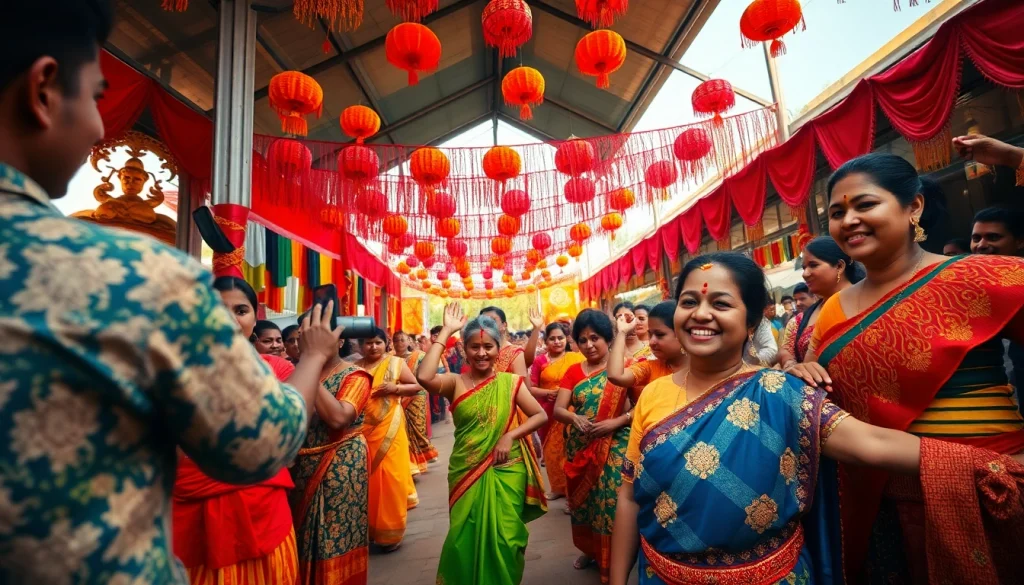
Festivals are an integral aspect of Hela Lankan culture, serving as vibrant expressions of faith, history, and community spirit. Celebrations like Sinhala and Tamil New Year, Vesak, and Esala Perahera not only mark important seasonal changes but also highlight the island’s rich diversity. These events bring together people from various backgrounds, fostering unity and a shared cultural heritage. During these festivals, traditional music, dance, and food play a significant role, making them not only a celebration of culture but also an opportunity for tourists to immerse themselves in local customs.
Hela Lanka: A Melting Pot of Traditions
The essence of Hela Lanka lies in its diversity. It is a convergence of several ethnic groups, including Sinhalese, Tamils, Moors, and Burghers, each contributing unique traditions and practices. This intermingling of cultures creates a rich environment where different languages, culinary practices, and arts coexist harmoniously. Exploring Hela Lanka provides an insight into a lifestyle steeped in history while embracing modernity. For those looking to experience the authentic essence of this vibrant island, Hela Lanka offers a variety of resources and connections to local experiences and insights.
Exploring Popular Destinations in Hela Lanka
When visiting Hela Lanka, several destinations stand out as must-see spots that reflect the island’s cultural richness and natural beauty. From ancient temples to bustling markets, every corner has a story to tell.
Top Cultural Sites and Landmarks
Among the numerous cultural sites in Hela Lanka, the ancient city of Sigiriya, a UNESCO World Heritage site, is perhaps the most iconic. This rock fortress, with its stunning frescoes and water gardens, offers a glimpse into the island’s rich royal history. Other significant sites include the Temple of the Tooth Relic in Kandy, an important pilgrimage site, and the ancient ruins of Polonnaruwa, which showcase the artistry of early Sri Lankan architecture.
Local Markets: Discovering Artisan Crafts
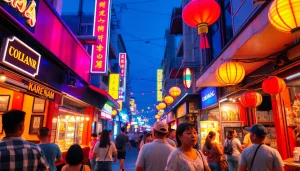
Local markets in Hela Lanka are vibrant spaces where artisans showcase their craftsmanship. The Pettah Market in Colombo is a bustling hub where traditional crafts, spices, and textiles can be found. Visitors can find unique handmade items ranging from intricate batiks to wooden carvings. These markets not only provide an opportunity to purchase souvenirs but also offer insights into the local economy and its artistic traditions.
Natural Wonders that Reflect Hela Lanka’s Heritage
The natural landscape of Hela Lanka is as diverse as its culture. The lush tea plantations of Nuwara Eliya, the pristine beaches of Galle, and the wildlife-rich Yala National Park are just a few of the natural wonders worth exploring. Each of these locations reflects the island’s biodiversity and plays a crucial role in the local economy through tourism and agriculture.
How to Experience Hela Lanka Authentically
To truly appreciate the beauty of Hela Lanka, it is essential to engage with its people and traditions. Authentic experiences often provide a deeper understanding of the local culture.
Engaging with Local Communities and Influencers
Connecting with local communities allows for immersive experiences that cannot be found in guidebooks. Engaging with local influencers, artisans, and cultural custodians can provide unique insights into traditional practices and contemporary life. This engagement fosters meaningful relationships and supports community-driven tourism.
Participating in Traditional Events and Ceremonies
Participating in local ceremonies and events is a wonderful way to experience the essence of Hela Lanka. From traditional weddings to temple festivals, these events are characterized by vibrant attire, music, and rituals that reflect the cultural diversity of the island. Visitors are often welcomed to partake in these celebrations, thus enriching their travel experience.
Understanding Local Cuisine and Its Cultural Impact
Cuisine in Hela Lanka is a delightful fusion of flavors, influenced by its geographic location and cultural intersections. Signature dishes like rice and curry, hoppers, and kottu roti are staples that offer insight into the island’s lifestyle. Exploring local eateries and street food markets presents an opportunity to taste authentic flavors while interacting with local chefs and home cooks.
Challenges and Opportunities for Travelers in Hela Lanka
While Hela Lanka presents a wealth of opportunities for exploration, there are challenges that travelers should be aware of, ensuring a respectful and enriching travel experience.
Navigating Cultural Sensitivities
Understanding local customs and cultural sensitivities is crucial for a successful visit. Visitors should be aware of dress codes when visiting religious sites and should always ask for permission before taking photographs of people or ceremonies. Respecting local traditions enhances mutual respect and appreciation.
Promoting Sustainable Tourism in Hela Lanka
Sustainable tourism is vital for preserving the natural heritage and cultural integrity of Hela Lanka. Travelers are encouraged to support eco-friendly initiatives and local businesses that prioritize sustainability. Engaging in responsible travel practices, such as minimizing plastic use and respecting wildlife, contributes to the preservation of this beautiful island.
Future Trends: What to Expect in 2025 and Beyond
Looking ahead to 2025, Hela Lanka is poised to embrace eco-tourism more significantly, promoting its rich natural assets while safeguarding its cultural heritage. Digital platforms will also enhance the travel experience, offering more personalized itineraries and insights into local culture. As travelers become increasingly conscious of their impact, the focus will shift toward more sustainable and responsible travel experiences.
Resources for Planning Your Hela Lanka Adventure
Planning a trip to Hela Lanka can be thrilling yet complex. Here are some resources and tips to make your journey easier and more enjoyable.
Essential Travel Tips and Guides
Before traveling, research is essential. Guidebooks, local blogs, and travel forums provide practical information on best practices, local customs, and the must-visit attractions. Always keep an eye on travel advisories and local news for any updates that may affect your journey.
Recommended Reading and Cultural Materials
Diving into literature, documentaries, and films about Sri Lanka can enhance your understanding of its culture. Books like “Running in the Family” by Michael Ondaatje provide a poignant look into the island’s history and familial ties. Additionally, exploring local music and art can offer deeper insights into the collective spirit of Hela Lanka.
Connecting with Local Guides and Experts
Utilizing local guides can significantly enrich your experience. They provide insider knowledge, help navigate cultural nuances, and offer unique perspectives on the historical context of sites. Many local guides also offer personalized tours that cater to specific interests, ensuring a tailored travel experience.