Understanding Computer Recycling Slough
What is Computer Recycling?
Computer recycling is the process of disposing of old or unwanted electronics in a safe and environmentally friendly manner. This practice involves the recovery of valuable materials from discarded computers, including metals and plastics, which can be reused or remanufactured. This process not only conserves natural resources but also ensures that hazardous substances found in electronic devices, such as lead and mercury, are handled and disposed of properly.
Importance of Recycling Electronics
With the rapid advancement of technology, electronic waste (e-waste) has become one of the fastest-growing waste streams globally. Recycling electronics is crucial for several reasons:
- Environmental Protection: By recycling e-waste, we reduce the amount of harmful substances that can leach into the soil and water.
- Resource Conservation: Many electronic components contain precious metals that can be recovered and reused.
- Energy Savings: Recycling often uses less energy than producing new products from raw materials.
Overview of the Slough Recycling Landscape
Slough, a vibrant town in Berkshire, has made significant strides in electronic recycling. Various local service providers focus on sustainable methods to collect and recycle computers and other electronic devices. The community strives toward a greener future, and initiatives promoting recycling are increasingly visible, making it easier for residents and businesses alike to participate. For an efficient and responsible solution, consider options available for computer recycling slough.
The Process of Computer Recycling Slough
Step-by-Step Guide to Recycling
Understanding the recycling process is key to ensuring that computers are disposed of responsibly. Here’s a step-by-step guide:
- Assessment: Check the condition of your old computer to determine if it is suitable for recycling.
- Data Security: Before recycling, ensure all personal data is securely wiped or the hard drive is destroyed.
- Find a Recycling Center: Locate a nearby recycling service that properly handles e-waste.
- Drop Off or Schedule Pickup: Depending on the service provider, you may have the option to drop off your devices or arrange for a pickup.
- Follow Up: Inquire about the recycling process followed by the provider to ensure they comply with environmental regulations.
What Happens to Recycled Materials?
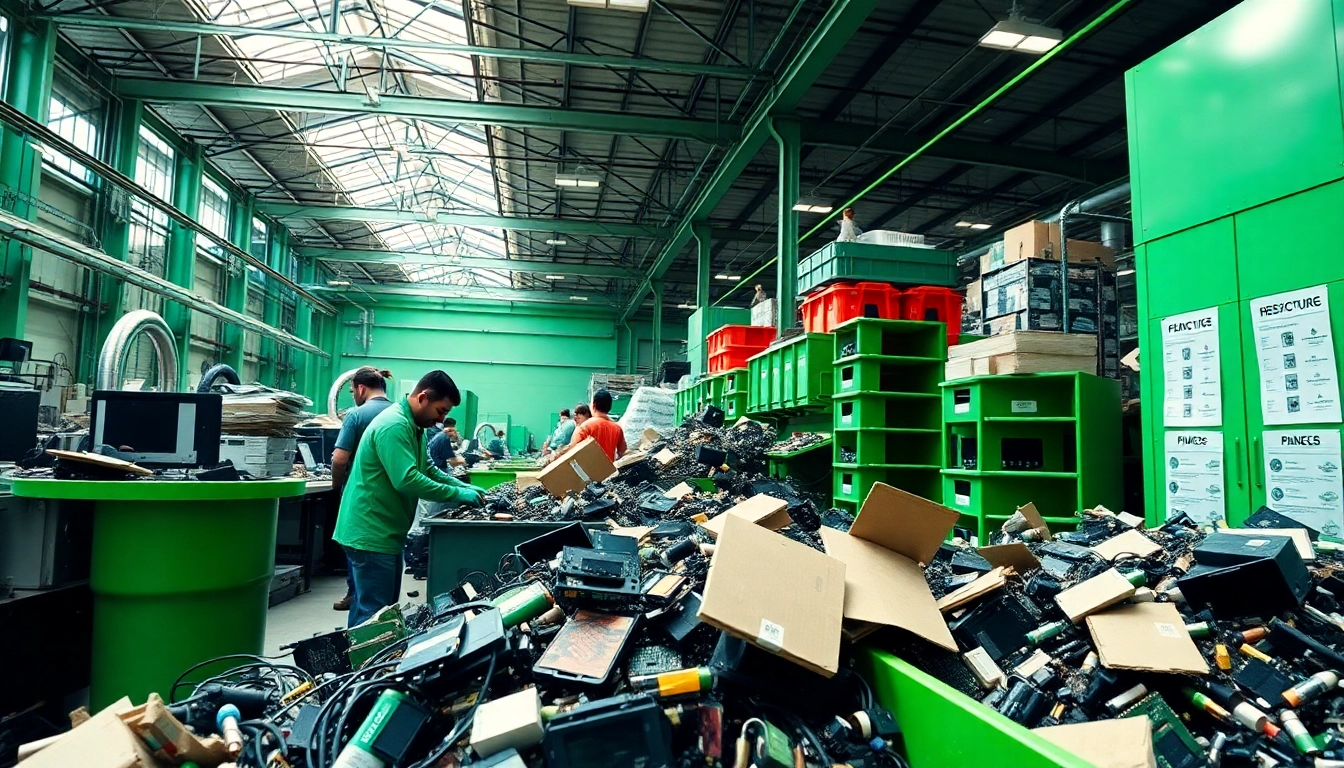
Once computers are brought to a recycling center, they undergo several processes:
- Sorting: Components are sorted based on materials—metals, plastics, and circuit boards.
- Shredding: Items are typically shredded into smaller pieces for easier processing.
- Material Recovery: Advanced machines extract valuable materials, such as gold, silver, and copper, from the shredded materials.
- Proper Disposal: Remaining non-recyclable materials are disposed of in compliance with environmental regulations.
Best Practices for Efficient Recycling
To maximize the impact of computer recycling:
- Educate Yourself: Learn about local recycling options and proper disposal methods.
- Spread Awareness: Encourage family and friends to recycle their electronics.
- Follow Regulations: Ensure you are compliant with local laws regarding electronic waste disposal.
Choosing the Right Recycling Service in Slough
Evaluating Service Providers
When selecting a recycling service, consider the following factors:
- Certifications: Choose providers with certifications that ensure compliance with environmental laws.
- Transparency: Ensure the service provider is transparent about their recycling processes and methods.
- Reputation: Research the reputation of recycling companies through reviews and community feedback.
Factors to Consider for Your Needs
Identifying your specific needs can help determine the best fit:
- Volume of Equipment: Consider whether you are an individual or a business with large volumes of e-waste.
- Security Needs: Evaluate how the service provider addresses data destruction and security.
- Cost: Compare pricing structures for different services, keeping in mind that the cheapest option may not always offer the best value.
Cost-Effective Recycling Solutions
To achieve cost-effective recycling solutions:
- Look for Free Services: Some programs offer free recycling, especially for small quantities.
- Bulk Services: Businesses can negotiate pricing for bulk recycling services or explore collection contracts.
- Community Events: Participate in local electronic recycling drives to recycle at little or no cost.
Environmental Impact of Computer Recycling Slough
Reducing E-Waste Footprint
By recycling computers and electronic devices, Slough significantly reduces its e-waste footprint. Annually, millions of tons of electronic waste are generated, many dangerous to the environment. Recycling not only mitigates this problem but also applies principles of sustainability by turning waste into valuable resources.
Benefits to the Local Community
Computer recycling contributes to the community in numerous ways:
- Job Creation: Sustainable recycling projects can create jobs in the local economy.
- Environmental Awareness: Promotes initiatives that raise awareness of environmental issues.
- Community Health: Reduces harmful materials in the environment, leading to better community health outcomes.
Long-Term Sustainability Practices
Long-term sustainability is achieved through continuous efforts to improve recycling practices:
- Research and Development: Invest in new technologies that enhance recycling processes and material recovery.
- Community Education: Ongoing education about the benefits of recycling encourages more participation.
- Policy Advocacy: Support local policies that promote e-waste recycling and sustainable practices.
Frequently Asked Questions About Computer Recycling Slough
What items can be recycled?
Most electronics, including computers, laptops, monitors, and smartphones, can be recycled. Additionally, peripherals like keyboards and mice are also accepted.
Is there a cost for recycling computers?
Many recycling centers offer free services for small items, while businesses may incur fees especially for large quantities. Always check with the provider.
How to prepare devices for recycling?
Wipe all personal data from devices and remove any batteries if required. Box the items securely for transport if needed.
Can businesses benefit from recycling?
Definitely! Businesses can save money, improve their environmental image, and ensure compliance with legal regulations regarding electronic waste.
Where can I find recycling centers in Slough?
Recycling centers in Slough can be located through local government websites, community information boards, or by searching online for e-waste recycling services.