Expert Central Heating Leak Detection: 5 Proven Techniques for 2025
Understanding Central Heating Systems
Central heating systems are the backbone of warmth and comfort in many homes, particularly in regions with cold weather. These systems circulate heated water through pipes to radiators and underfloor heating, effectively keeping spaces warm and inviting. Understanding the components and operation of these systems is essential for identifying potential issues, especially leaks, which can lead to significant damage and increased energy costs. One of the most critical aspects is central heating leak detection, which can help homeowners prevent costly repairs.
Types of Central Heating Systems and Their Components
Central heating systems can be classified into several types, each with unique components and operational methods:
- Conventional systems: These systems use a boiler to heat water, which then circulates through pipes to radiators in various rooms. The heated water returns to the boiler to be reheated.
- Combi boilers: A popular choice, combi boilers provide both heating and hot water on demand, eliminating the need for a separate hot water tank.
- System boilers: These systems utilize a hot water cylinder and are ideal for homes with multiple bathrooms requiring simultaneous hot water supply.
- Electric heating systems: Instead of water, these systems use electric power to heat radiators or underfloor heating, offering a more straightforward installation.
Each system’s complexity can lead to unique vulnerabilities, making leak detection vital for maintaining efficiency and safety.
Common Signs of a Central Heating Leak
Identifying a leak in a central heating system can be challenging, especially if the leak occurs in hidden pipes. However, several key indicators can alert homeowners:
- Water pooling: Noticeable water accumulation near radiators, pipes, or the boiler indicates a potential leak.
- Dropping pressure: A sudden drop in boiler pressure can suggest a leak in the system.
- Increased energy bills: Unexpected spikes in energy costs can signal inefficiencies caused by leaks.
- Wet or damp spots: Walls or ceilings showing signs of water damage may point to an internal leak.
Timely recognition of these symptoms is crucial to mitigate further damage and costly repairs.
Impact of Leaks on Home Efficiency and Safety
Leaks in a central heating system not only lead to increased energy costs but also pose significant safety risks. Prolonged exposure to moisture can result in mold growth, which can adversely affect air quality and lead to health issues. Furthermore, water leaking from heating systems can damage structural elements of the home, potentially leading to costly repairs and diminished property value. Addressing leaks promptly is essential for maintaining both safety and home efficiency.
Importance of Central Heating Leak Detection
Early detection of leaks can save homeowners significant amounts in repairs and energy costs. A proactive approach allows for the identification of problems before they escalate, ensuring that the heating system operates at peak performance. In today’s market, the use of advanced technologies has made leak detection more efficient and less invasive.
Why Early Detection is Crucial for Homeowners
For homeowners, understanding the importance of early leak detection can prevent small issues from turning into large-scale problems. Early intervention can:
- Reduce repair costs by addressing issues before they worsen
- Prevent potential damage to flooring, walls, and furniture
- Maintain home safety by avoiding mold and structural collapse
The significance of engaging in regular maintenance and leak detection cannot be overstated, as it is critical to ensuring a safe and healthy living environment.
Consequences of Ignoring Central Heating Leaks
Ignoring leaks in your central heating system can lead to devastating consequences, including:
- Structural damage: Continuous exposure to moisture can weaken a building’s structural integrity.
- Health hazards: Mold and mildew thrive in damp environments and can lead to serious health issues.
- Increased energy bills: Inefficiencies caused by leaks can dramatically inflate heating costs.
These factors make “out of sight, out of mind” a risky approach when it comes to home maintenance.
Cost Implications of Leak Detection vs. Damage Repair
Investing in professional leak detection services is often far less expensive than dealing with the consequences of ignored leaks. Costs associated with detection services can be significantly outweighed by the potential expenses of repairing water damage, structural repairs, and health-related issues stemming from mold. Therefore, proactive investment in leak detection can save homeowners money in the long run.
Advanced Techniques for Central Heating Leak Detection
The technological advancements in leak detection over the last few years have greatly improved how leaks are identified and addressed. Various methods now exist that allow for minimal disruption to the home while providing accurate results.
Utilizing Thermal Imaging for Accurate Diagnosis
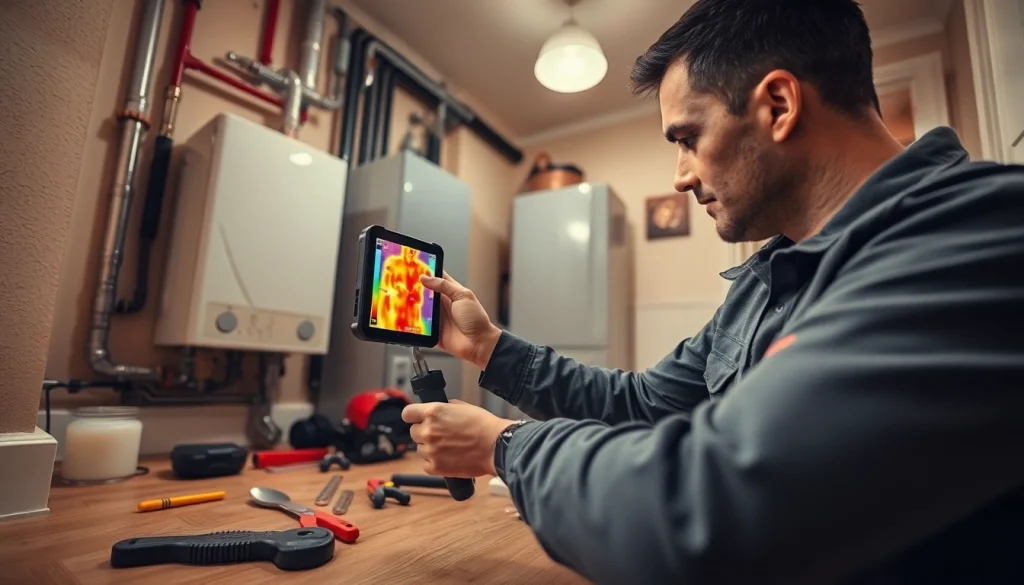
Thermal imaging cameras are invaluable tools in leak detection. These devices detect the temperature differences between surfaces, allowing technicians to identify potential leaks hidden behind walls or under floors. By pinpointing these temperature anomalies, technicians can quickly locate the source of the leak without invasive methods.
Pressure Testing Methods and Their Effectiveness
Pressure testing is another reliable method used to detect leaks within a central heating system. By isolating sections of piping and monitoring pressure changes, technicians can determine whether a leak exists. A consistent drop in pressure indicates a breach in the system, leading to further investigation in the identified area.
Acoustic Detection Techniques Explained
Acoustic detection involves using specialized listening devices to pick up the sound of water escaping from pipes. This technique is particularly effective for detecting underground leaks that are not visible from the surface. Experts can identify the sound of escaping water even when it is buried beneath floors or concrete, allowing for precise leak locations without extensive digging.
Choosing the Right Leak Detection Service
Choosing a reliable leak detection service can be daunting, but paying attention to specific qualities can help streamline the process. An informed decision can make all the difference in ensuring your central heating system remains efficient and safe.
What to Look for in a Leak Detection Specialist
When selecting a leak detection service, consider the following factors:
- Experience: Look for companies with a proven track record and positive customer reviews.
- Technology used: Ensure the service uses the latest technology for accurate and non-invasive leak detection.
- Accreditations: Certified technicians guarantee expertise and adherence to industry standards.
Questions to Ask Before Hiring Professionals
Before engaging a leak detection service, it’s essential to ask the right questions:
- What technology do you use for leak detection?
- How long will the process take?
- What are your pricing and guarantee policies?
- Do you provide a detailed report after the assessment?
These inquiries can provide insight into the service’s professionalism and expertise.
Understanding Pricing Models for Leak Detection Services
Pricing for leak detection services can vary significantly. Understanding what influences these costs can help homeowners budget accordingly:
- Type of leak detection method used
- Size of the area affected
- Duration and complexity of the job
Generally, upfront quotes can avoid surprises later, so it’s advisable to request estimates before proceeding.
Future Trends in Leak Detection Technologies
As technology evolves, so do methods of leak detection. The future promises exciting innovations that will enhance reliability and efficiency further.
Emerging Technologies for 2025 and Beyond
In the coming years, we expect the integration of artificial intelligence (AI) and machine learning algorithms in leak detection processes. These technologies will analyze patterns and predict potential leaks before they occur, minimizing disruption and costs associated with emergency repairs.
Integrating Smart Technologies for Leak Prevention
Smart home systems are gaining traction, providing homeowners with tools to monitor their homes remotely. Leak detection sensors can alert homeowners of any unusual activity, such as drops in pressure or temperature fluctuations, directly to their smartphones, enabling quick responses to potential problems.
Industry Predictions and What Homeowners Should Expect
With advancements in leak detection technologies, homeowners can expect more efficient, less invasive solutions for central heating systems. The industry is moving toward providing more value-added services that emphasize prevention, minimizing the risk of future leaks and associated costs.