
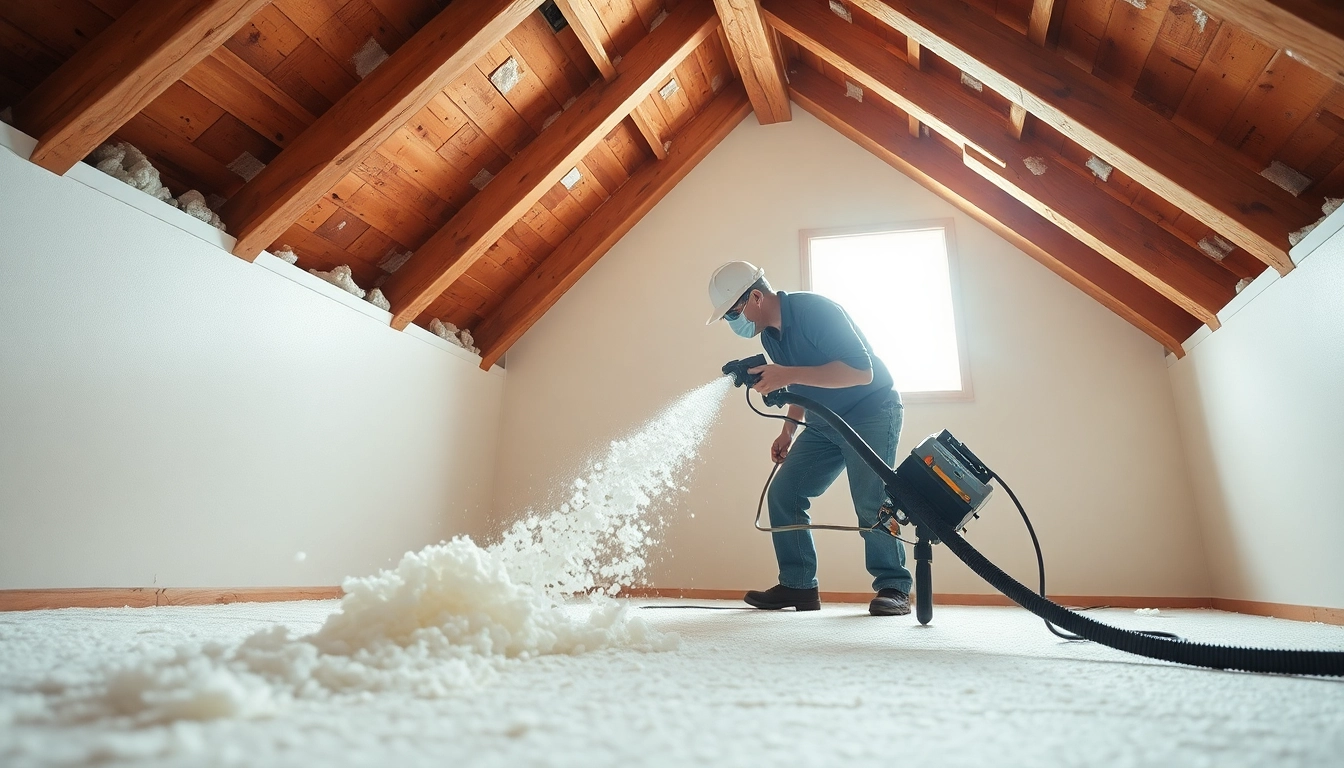
Introduction to Spray Foam Removal Hampshire
In the realm of home insulation, spray foam has gained popularity for its superior energy efficiency and sealing capabilities. However, situations arise where spray foam removal Hampshire becomes necessary. Whether due to improper application, degradation over time, or unforeseen structural changes, understanding the intricacies of spray foam and its removal is crucial for homeowners and property managers alike.
Understanding Spray Foam
Spray foam insulation consists of a mixture of chemicals that expand upon application, forming a solid layer that seals gaps and minimizes air leakage. Composed primarily of polyurethane, it effectively enhances the energy efficiency of buildings by providing exceptional thermal insulation and soundproofing. While it is beneficial in many ways, improper installation or aging foam can lead to various complications.
Why Removal is Necessary
There are several reasons why spray foam removal might be necessary. Over time, spray foam can degrade, losing its insulating properties and potentially compromising indoor air quality. In some cases, the foam might have been improperly applied, leading to moisture retention, mold growth, and structural damage. Additionally, renovations or changes in the use of a space may necessitate the removal to make way for new insulation solutions.
Overview of the Removal Process
The removal process of spray foam insulation is not a task to be taken lightly. It requires careful planning, specialized tools, and effective techniques to ensure the job is done safely and efficiently. The process typically involves assessing the area, preparing for removal, executing the removal, and cleaning up post-removal. Each step is vital to mitigate risks and ensure a clean slate for any new insulation work.
Identifying Spray Foam Issues
Common Problems with Spray Foam Insulation
Spray foam insulation can present various issues, including:
- Moisture Retention: Incorrect application can trap moisture behind the foam, leading to mold and mildew growth.
- Odor Problems: As spray foam ages, it can emit unpleasant odors, which can negatively impact indoor air quality.
- Crumbling or Brittle Foam: Over time, the foam may become brittle, losing its insulating properties and necessitating removal.
- Allergic Reactions: Some individuals may experience allergic reactions due to degraded foam emissions.
Signs You Need Spray Foam Removal Hampshire
There are several indicators that signal the need for spray foam removal:
- Visible signs of mold or mildew on or around the foam.
- Unpleasant odors that persist despite good ventilation.
- Increased energy costs despite having insulated the area.
- Cracking, crumbling, or hardening of the foam material.
- Allergic reactions or respiratory issues in occupants.
Health Risks Associated with Damaged Foam
Damaged or degraded spray foam poses several health risks. The breakdown of foam can release harmful particulates and volatile organic compounds (VOCs) into the air, leading to respiratory problems, allergic reactions, or other health issues. Moreover, moisture issues due to improper foam application can foster mold growth, which adds another layer of risk to inhabitants. Awareness and timely action are crucial in preventing these health hazards.
The Spray Foam Removal Process
Preparation Steps for Effective Removal
A well-planned preparation phase sets the foundation for effective spray foam removal. Key preparation steps include:
- Assessment: Conduct a thorough inspection to determine the extent of the foam’s degradation.
- Safety Gear: Ensure that all personnel are equipped with appropriate safety gear, including gloves, goggles, and masks.
- Area Isolation: Seal off the work area to prevent the spread of foam particles and ensure safety.
- Tools Preparation: Gather necessary tools, which will be detailed further in the next section.
Tools and Equipment Needed
The right tools are critical for a successful spray foam removal project. Essential tools include:
- Reciprocating Saw: For cutting through the foam layer smoothly.
- Utility Knife: Useful for smaller sections or detailed work.
- Vacuum Cleaner: An industrial vacuum can help in debris removal to maintain a clean site.
- Negative Air Machine: To filter any airborne particles during the removal process.
- Personal Protective Equipment (PPE): Gloves, goggles, and respiratory masks to protect workers.
Step-by-Step Removal Procedure
The actual process of removing spray foam can be broken down into a series of steps:
- Cutting the Foam: Use a reciprocating saw to cut the foam into manageable sections.
- Removing the Pieces: Carefully pull away the foam pieces without damaging underlying structures.
- Vacuuming Residue: Clean up any dust and debris using an industrial vacuum.
- Final Inspection: Check for any remaining foam and ensure the area is clear for any repairs or new insulation.
Post-Removal Considerations
Assessing the Area After Removal
Once the spray foam has been removed, a thorough assessment of the area is vital. Inspect for any damage caused by the foam’s presence, such as moisture issues or structural concerns. Evaluating the integrity of walls, ceilings, or roofs will inform the next steps, including necessary repairs.
Repairing Damage from Removal
It’s common to encounter damage after foam removal. Repairs may include:
- Wall Patching: Fill any holes or cracks with suitable materials.
- Moisture Treatment: Address any lingering moisture concerns with appropriate dehumidification strategies.
- Structural Reinforcement: Inspect and repair any weakened framing or support.
Alternative Insulation Options
After removing spray foam, homeowners can explore alternative insulation options to enhance energy efficiency. Traditional insulation alternatives include fiberglass batts, cellulose, or mineral wool, each offering unique benefits. It’s essential to evaluate the specific needs of your space and consider the pros and cons of each option to select the best fit for your requirements.
Frequently Asked Questions about Spray Foam Removal Hampshire
What is the average cost of spray foam removal?
The cost varies based on the size and complexity of the job but typically ranges from £100 to £1000.
How long does the removal process take?
The process can take anywhere from a few hours to a couple of days, depending on the project scale.
Are there health risks during removal?
Yes, safety gear is necessary due to potential exposure to chemicals. Professional services mitigate these risks.
Can I remove spray foam myself?
While DIY is possible, it’s recommended to hire professionals to ensure safety and effectiveness.
What happens after the foam is removed?
After removal, the area should be cleaned, inspected, and repaired before considering new insulation.