
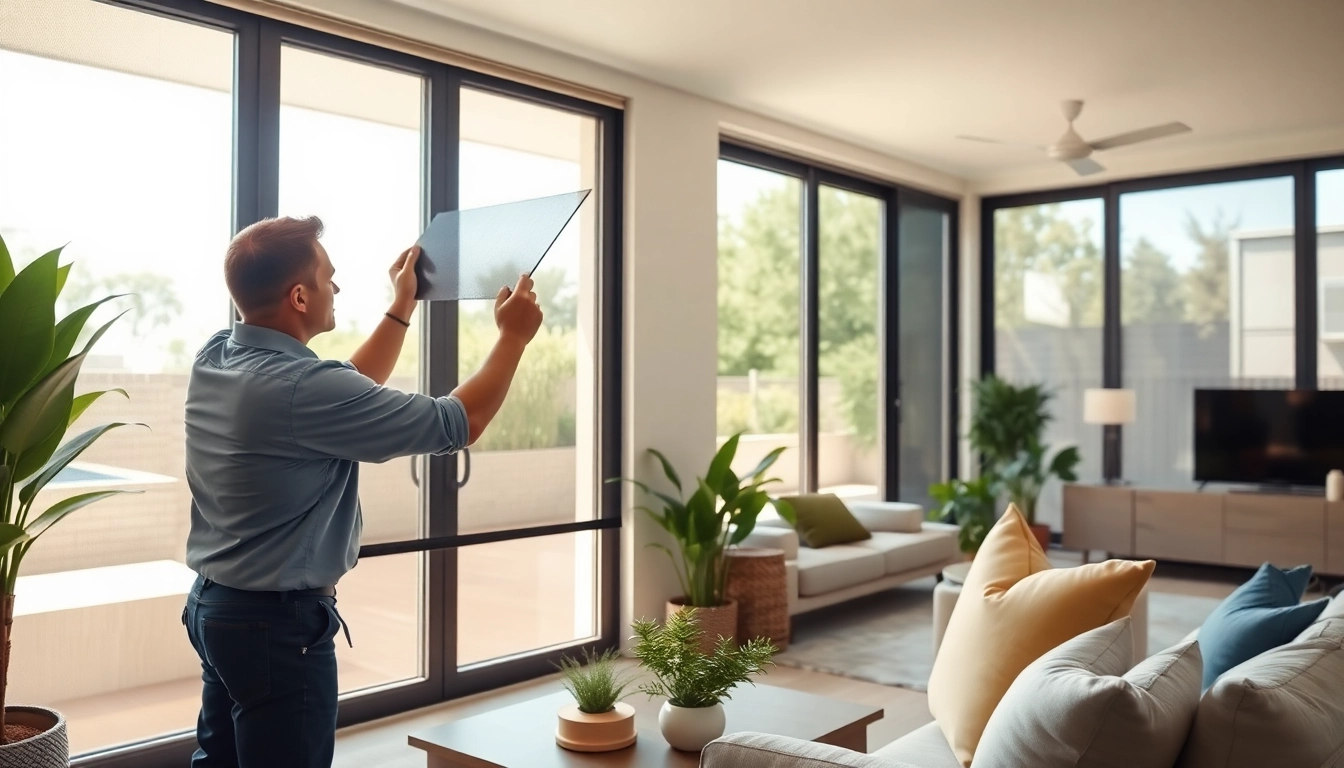
Understanding Fly Screens
What are Fly Screens?
Fly screens, also known as insect screens, are fine mesh barriers designed to keep insects out while allowing fresh air to circulate in living spaces. Typically made from durable materials like fiberglass or aluminum, these barriers are strategically installed in windows, doors, and other ventilation openings throughout homes. Fly screens are essential for maintaining comfort indoors, especially in warmer months when windows are opened to let in a breeze. Effective fly screens ensure you can enjoy the outdoors’ fresh air without being bothered by unwanted pests.
Benefits of Using Fly Screens
The benefits of integrating fly screens into your home are manifold. Firstly, they enhance indoor air quality by allowing ventilation while keeping harmful pests at bay, reducing the risk of disease transmission. Secondly, they provide energy efficiency by facilitating natural cooling; this can lessen reliance on air conditioning systems, ultimately leading to reduced energy bills. Additionally, fly screens serve as a UV barrier, helping to protect your interiors and furnishings from sun damage.
Another significant advantage is the increased comfort they provide during the summer months. People can leave windows open without worrying about mosquitoes, flies, or other insects infiltrating their living spaces, promoting a serene and pest-free environment. Moreover, modern fly screens are designed to be aesthetically pleasing, blending seamlessly with the architectural features of homes. Incorporating fly screens not only enhances the functionality of living spaces but also adds to their visual appeal.
Types of Fly Screens Offered by Flyscreenmaxx
At Flyscreenmaxx, customers have access to various types of fly screens to suit their specific needs. The most popular types include:
- Retractable Fly Screens: These screens offer a flexible solution that can be drawn across openings only when needed, providing a clean and unobtrusive option.
- Fixed Fly Screens: These screens are permanently fitted to the frame of the window or door, providing a robust barrier against insects.
- Magnetic Fly Screens: These easy-to-install screens use magnets to provide an effective way to screen doors, allowing for hands-free entry and exit.
- Pet-Friendly Fly Screens: Designed with durability in mind, these screens can withstand cats and dogs while keeping insects out, ensuring your pets can enjoy the beauty of the outdoors.
- Velcro Fly Screens: These offer a simple installation method using Velcro strips, making them a popular choice for renters or those seeking temporary solutions.
Choosing the Right Fly Screen
Factors to Consider for Your Home
When selecting the right fly screen, several factors come into play. Firstly, consider the type of insects prevalent in your area. This will help determine the mesh type and size needed for optimal pest control. Secondly, assess the design of your home; some fly screens, like retractable models, fit better with modern aesthetics, while others may complement traditional architecture.
Another factor is functionality. If you have pets or children, opt for more robust screens designed to withstand wear and tear. Additionally, consider your budget. Fly screens come in various price ranges depending on their material and design features. Quality investments, though possibly more expensive upfront, can lead to long-lasting benefits and savings over time.
Measuring Your Windows for Perfect Fit
Accurate measurements are crucial for ensuring your fly screens fit perfectly, providing maximum efficacy. Begin by measuring the width and height of the window or door frame. Make sure to measure at three different points—at the top, middle, and bottom for width, and the left, center, and right for height—to account for any warping. Record the smallest width and height, as these figures will ensure a snug fit without gaps.
For best results, consider whether the installation will be inside or outside the frame. This distinction will affect the final measurements, so be sure to clarify the installation site during the measuring process. Don’t hesitate to contact professionals if you’re uncertain about your measurements—they can provide valuable assistance to guarantee correct sizing.
Customization Options with Flyscreenmaxx
One of the key appeals of choosing Flyscreenmaxx is the variety of customization options available. Homeowners can select from various materials, colors, and designs to meet their unique aesthetic and functional preferences. Whether you desire a specific color to match your home’s exterior or a particular mesh type that offers superior visibility while blocking bugs, Flyscreenmaxx has you covered.
Furthermore, customers can opt for unique designs and patterns that not only serve the functional purpose of deterring insects but also enhance the overall look of your home. Custom options allow for increased personalization, meaning you can maintain your home’s character and style while still making it pest-proof.
Installation Process
DIY Installation: A Step-by-Step Guide
Deciding to install fly screens yourself can be a rewarding endeavor, providing a sense of accomplishment. Follow these steps for a successful DIY installation:
- Gather Your Tools: You will typically need a measuring tape, a hacksaw (if adjustments are necessary), screws, a screwdriver, and adhesive if you’re using Velcro screens.
- Measure and Mark: Using your measurements, mark your window and frame with a pencil to identify where the screen will sit.
- Prepare the Frame: If necessary, trim your screen material to fit the dimensions accurately.
- Install the Screen: Depending on the type of screen, this may involve attaching it with screws or adhesive strips. Ensure you follow the specific instructions provided with your screen.
- Check Alignment: Once installed, double-check that the screen fits evenly and securely within the frame before using.
- Inspect for Gaps: Lastly, ensure there are no visible gaps that pests can infiltrate.
Professional Installation Services at Flyscreenmaxx
While many homeowners find success with DIY installations, Flyscreenmaxx also offers professional installation services for those who prefer expert assistance. Trained installers possess the expertise to ensure that your fly screens fit seamlessly and function correctly, alleviating the stress that can accompany self-installation. They can also provide insights and recommendations based on specific window configurations and potential challenges.
By choosing professional installation, homeowners can benefit from a quality assurance guarantee, knowing that the screens are correctly installed to withstand the elements and potential wear over time. In the long run, this investment can save both time and potential reinstallation costs due to improper fitting.
Common Mistakes to Avoid During Installation
Installation, whether DIY or professional, can present pitfalls that affect the performance of your fly screens. Here are some common mistakes to avoid:
- Incorrect Measurements: Always double-check your measurements to prevent gaps that allow insects to enter.
- Ignoring Instructions: Each fly screen type will have specific installation guidelines. Failing to adhere can lead to functionality issues.
- Poor Material Choice: Choose appropriate materials, especially in high-traffic areas, to prevent wear and tear.
- Skipping Frame Preparation: Ensure the frame is clean and structurally sound before installation.
- Neglecting Aesthetics: Consider the visual aspect to ensure a seamless look in your home’s design.
Maintenance and Care of Fly Screens
Best Practices for Cleaning
Maintaining your fly screens is essential for longevity and effectiveness. Regular cleaning prevents dust, dirt, and grime buildup that can obstruct airflow and visibility. For general maintenance, gently use a vacuum with a brush attachment to remove loose particles. Follow this with a soft cloth or sponge dipped in a mild soapy solution to wipe down the mesh.
Take care not to use abrasive materials that can tear or damage the screen. For fixed screens, ensure you clean both sides thoroughly to maintain clarity. If using a pressure washer, exercise caution to avoid damaging the mesh. Clean your fly screens regularly throughout the season, particularly during times of heavy use.
Inspecting and Repairing Fly Screens
Regular inspections of your fly screens can help you catch any tears or damages early on. Look for signs of wear, such as fraying edges or holes that might require repair. Minor damages may be fixed easily with patching kits or adhesive tape specifically designed for screen materials. For more extensive damage, it may be necessary to replace the screen to regain full functionality.
During your inspections, check the frame for rust or corrosion, especially if the screens are exposed to the elements. Addressing these issues promptly can extend the life of your fly screens and enhance their protective capabilities.
Seasonal Maintenance Tips
Seasonal changes can impact your fly screens; performing maintenance at the beginning of each season can help extend their lifespan. In spring, as you prepare for warmer weather, inspect and clean your screens thoroughly to remove any winter debris. In the summer, continue checking for wear due to increased usage.
Come autumn, be mindful of fallen leaves and other debris that might accumulate in the screens. Periodically clearing them can prevent blockages and facilitate airflow. Lastly, prepare your screens for winter by ensuring they are securely fitted and inspecting for potential weaknesses that could be exacerbated by harsh conditions.
FAQs About Fly Screens
How do fly screens work?
Fly screens use fine mesh materials to block insects while allowing light and air to enter. Their design maintains visibility and temperature while providing an effective barrier against pests.
Can fly screens be used with pets?
Yes, there are pet-friendly fly screens designed to withstand scratching and wear, allowing pets to enjoy open windows while keeping insects out.
What materials are fly screens made from?
Common materials include fiberglass, aluminum, and polyester mesh. These selections ensure durability, visibility, and resistance to corrosion.
Are fly screens easy to remove?
Most fly screens are designed for easy removal and reinstallation, particularly retractable and Velcro options, making seasonal maintenance a breeze.
What sizes of fly screens are available?
Fly screens are available in various standard sizes, but custom options to match specific dimensions are also offered to ensure a perfect fit for all window types.