The Ultimate Guide to Everest Base Camp Trek Packages
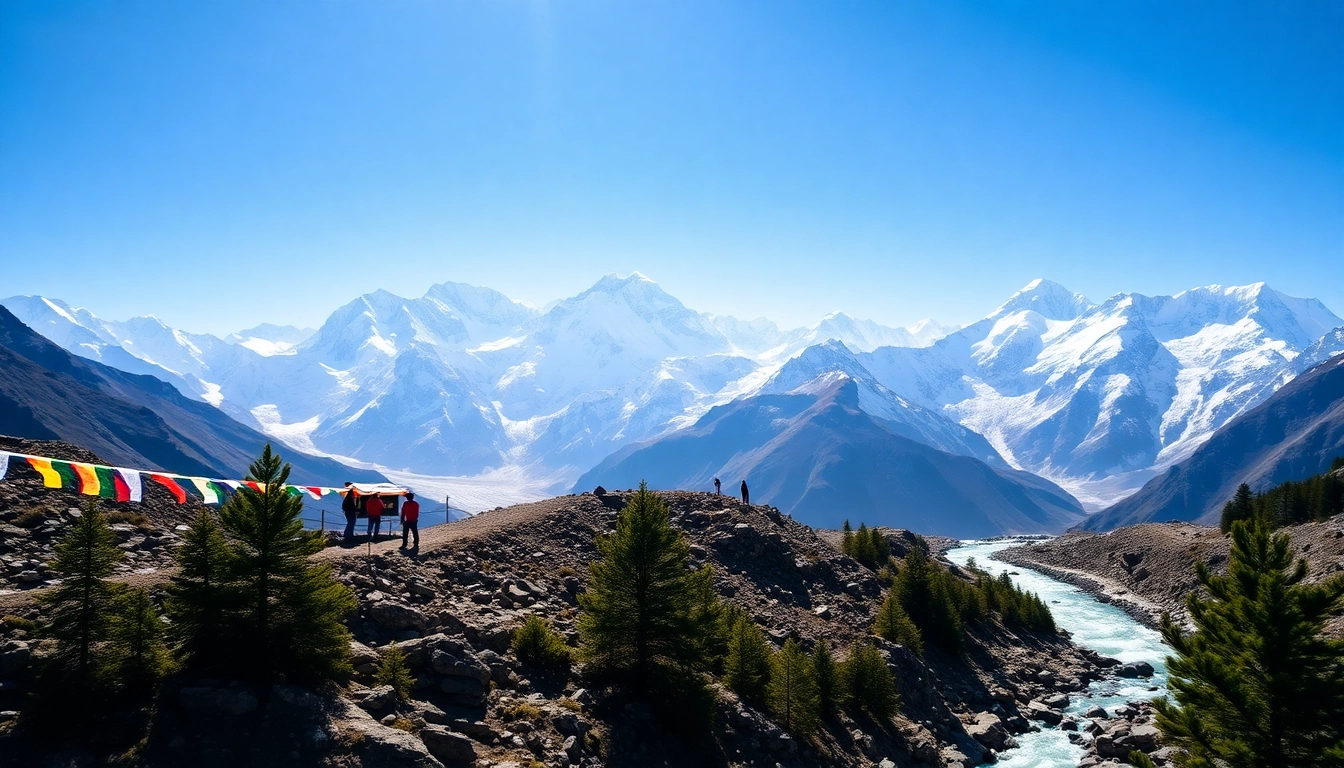
The Everest Base Camp Trek is a dream for many adventure enthusiasts eager to experience the breathtaking beauty of the Himalayas. As you set your sights on the world’s highest peak, it is essential to understand the various Everest base camp trek packages available and what each one entails. From the diverse pricing options to the accompanying services included in these packages, this guide will help you make an informed choice that suits your adventure needs.
Understanding Everest Base Camp Trek Packages
When planning a trek to Everest Base Camp (EBC), travelers are often faced with different package options that vary in terms of cost, accommodations, duration, and additional services. Understanding these specifics is crucial for crafting an enjoyable and safe journey. Packages typically encompass accommodations, meals, guide and porter services, and essential permits. However, each company offers varying levels of comfort and additional perks, which can enhance your trekking experience.
Types of Packages: Standard vs. Luxury
The Everest Base Camp trek packages generally fall into two main categories: standard and luxury.
- Standard Packages: These are designed for budget-conscious trekkers looking for a traditional experience. Standard packages usually include basic teahouse accommodations, meals, and the essential logistics to complete the trek. They are ideal for those willing to sacrifice a bit of comfort for a more authentic experience.
- Luxury Packages: In contrast, luxury packages cater to those who prefer enhanced comfort and amenities. These might include higher-end lodges, private rooms, and gourmet meals, ensuring that your trek is both exciting and enjoyable. Luxury packages often emphasize quality service throughout the journey, making them ideal for travelers seeking a more upscale experience.
The Value of Tailored Trekking Experiences
Customizing your Everest Base Camp trek is another valuable option to consider. Many trekking companies, including Ace the Himalaya, offer tailored experiences to meet specific preferences and fitness levels. This can include the addition of rest days, personalized itineraries, or extra excursions, making your adventure unique. Custom packages ensure that trekkers can enjoy their journey at a comfortable pace, absorbing the stunning natural beauty and cultural richness of the region.
Cost Breakdown for 2025: Planning Your Adventure
Understanding the costs associated with your Everest Base Camp trek is vital for effective budgeting. The price of the trek can significantly vary based on the chosen package, time of year, and the services included.
Average Prices and What’s Included
For 2025, the average cost for a standard 14-day Everest Base Camp trek is approximately USD 1,650 per person. This typically includes:
- Accommodation for two nights in Kathmandu and 11 nights in teahouses.
- Meals during the trek, usually featuring local cuisine.
- Experienced guides and porters to assist throughout the journey.
- Essential permits such as TIMS and Sagarmatha National Park permits.
Luxury packages may range from USD 2,500 to USD 4,500, depending on the inclusivity of services such as private accommodations and gourmet meals.
Additional Costs to Consider
While the main package price includes numerous essential elements, trekkers should be aware of additional costs, such as:
- Flights to and from Lukla, which typically cost between USD 150-$400 round trip depending on the season.
- Personal expenses like snacks, beverages, and souvenirs, averaging around USD 15-$20 per day.
- Charges for hot showers and laundry services during the trek.
- Tipping for guides and porters, which is generally advised to be around 10% of the total trip cost.
Saving Tips for Your Everest Adventure
To save on costs during your Everest Base Camp trek, consider the following tips:
- Book your trek during the shoulder seasons (late September-November and March-May) for better prices and fewer crowds.
- Choose standard packages if you’re on a tight budget, as luxury packages can significantly increase overall costs.
- Travel in a group, as many trekking companies offer discounts for larger parties.
- Plan your itinerary with buffer days to avoid potential costs related to flight delays.
Preparing for the Trek: Essential Gear and Packing List
Having the right equipment is crucial for a successful Everest Base Camp trek. Proper preparation helps ensure that trekkers remain comfortable and safe throughout their journey.
Must-Have Gear for Everest Base Camp Trekking
Key items to include in your packing list for the trek are:
- Durable trekking boots: Sturdy, waterproof boots with good ankle support are essential for traversing challenging terrains.
- Layered clothing: Packing layers allows for versatility against changing weather conditions. Include moisture-wicking base layers, insulating mid-layers, and waterproof outer layers.
- Sleeping gear: If you’re opting for teahouse accommodations, consider renting a sleeping bag rated for cold temperatures.
- Hydration supplies: Carry a refillable water bottle and purification tablets or a water filter.
Clothing Tips for Varying Weather Conditions
The weather in the Everest region is notoriously unpredictable and can change rapidly. Hence, prepare for all scenarios, including:
- Cold temperatures during the nights and mornings, especially at higher altitudes.
- Warmer daytime temperatures in exposed areas, particularly during the spring and autumn months.
- Heavy snowfall and rain during the monsoon season.
Porter FAQs and Common Packing Questions
When trekking to Everest Base Camp, you’ll likely have a porter to carry your heavier gear. Here are a few common questions related to this:
- What can I give to my porter? Porters typically carry up to 25 kg, including your duffel bag and daypack. Make sure to pack wisely, including essentials only.
- Do I need to tip my porter? Yes, tipping is customary and reflects your appreciation for their hard work. Around 10% of your total trek cost is a good guideline.
Health and Safety on the Everest Base Camp Trek
Your health and safety are paramount during the Everest Base Camp trek. Proper preparation includes understanding altitude sickness and the necessary precautions to ensure a safe journey.
Dealing with Altitude Sickness: What to Know
Altitude sickness can affect anyone regardless of fitness levels. Being aware of the symptoms—such as headaches, nausea, and dizziness—is essential. Here are a few tips to mitigate risks:
- Stay hydrated by drinking plenty of water and electrolyte-replenishing drinks.
- Ascend slowly and take planned acclimatization days.
- Understand your body’s responses; if symptoms arise, descend to a lower altitude.
Safety Measures and Emergency Protocols
All reputable trekking companies provide guides certified in first aid and emergency protocols. They carry essential medical supplies, including oxygen kits and altitude chamber facilities. Always ensure your chosen company has robust safety protocols in place.
Importance of Trekking Insurance
Having trekking insurance is crucial for covering potential emergencies, including medical evacuations and trip cancellations. Ensure your policy includes coverage for high-altitude trekking activities.
Choosing the Right Company for Your Trek
When selecting a trekking company, conducting thorough research is vital to ensure a safe and enjoyable trek. Here are critical factors to consider.
Evaluating Trekking Companies: Key Considerations
Look for companies with:
- Positive reviews and testimonials from past trekkers.
- Experienced guides with certifications in first aid and altitude training.
- Transparent pricing that clearly outlines what is included in the package.
How to Read Reviews and Testimonials
Checking reviews on platforms like TripAdvisor and Google can provide insights into travelers’ experiences. Aim for companies with consistent positive feedback regarding service quality, safety, and support.
Why Ace the Himalaya Stands Out
Ace the Himalaya is known for its high-quality trekking packages, experienced staff, and commitment to sustainable practices. Their emphasis on customer satisfaction and safety makes them a premier choice among trekkers.